
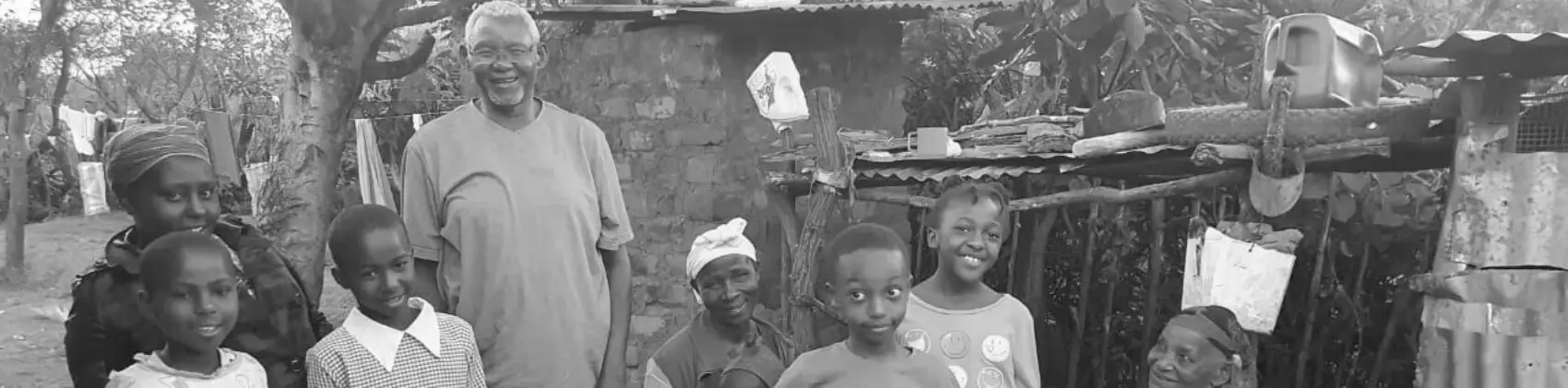



Health and well-being form the cornerstone of a thriving society. In rural communities like Malili, Kenya, access to healthcare services, health education, and chronic disease awareness is often limited. Recognizing this need, Muindu Seeds and Deeds Foundation introduced Pillar 3 – Promote Health and Well-being, aimed at transforming lives through a people-first approach to wellness.
This initiative is particularly personal to the Foundation. Muindu Seeds and Deeds Foundation was born in memory of Jennifer Katiti and Robert Muthama, cherished family members who succumbed to Idiopathic Pulmonary Fibrosis (IPF). Their struggle and legacy inspired the Foundation’s commitment to health-centered programs for the vulnerable—children, persons with disabilities, and the elderly.
A Community in Need
Malili village and its neighboring communities face unique health challenges rooted in poverty, remoteness, and limited access to information and healthcare services. Many families cannot afford proper medical care or do not know where to access it. Children and seniors often go without routine health screenings, while caregivers—frequently family members—shoulder the burden with minimal support.
Furthermore, awareness of chronic illnesses remains dangerously low. Conditions like IPF, diabetes, heart disease, and osteoarthritis are misunderstood or entirely unknown in the community. This leaves many sufferers undiagnosed, untreated, and isolated. The absence of a structured support system for both patients and caregivers further exacerbates the problem.
The Foundation’s Approach
To address these gaps, the Foundation has developed a multi-pronged health strategy, closely tied to its broader community development efforts. The health pillar is integrated within the activities of the forthcoming Malili Community Centre, which will serve not only as a training ground for farmers but also a hub for wellness outreach.
As outlined in the proposal, the health and well-being strategy includes:
-
Awareness Campaigns focused on IPF and other chronic conditions like diabetes and heart disease. These campaigns will be rooted in storytelling and community dialogue to break stigma and promote understanding.
-
Health and Wellness Programs such as nutrition workshops, health screenings, and fitness activities. These sessions are designed to equip residents with the knowledge to manage and prevent illnesses through lifestyle changes.
-
Caregiver Support Platforms that offer emotional support, practical advice, and shared learning experiences. These platforms will help caregivers, often unrecognized and unsupported, to feel seen, heard, and empowered.
-
Community Health Walks and Events, such as the health sensitization walks that the Foundation has already organized. These create visibility and unity while encouraging regular movement and health checkups.
Progress So Far
While the infrastructure for this pillar is still evolving, the Foundation has already laid the groundwork through early engagement. For instance, health sensitization walks have brought attention to key issues, helping residents begin conversations about conditions they previously feared or ignored.
Additionally, the Foundation’s work with schools and vulnerable groups has indirectly improved well-being—mentorships, motivational talks, and feeding programs have positively influenced the mental and physical health of many children. These early efforts demonstrate that even modest interventions can catalyze powerful change.
Looking Ahead: Community-Centered Wellness
The future of the health pillar lies in its synergy with other programs, especially those linked to farming and education. For example, nutrition workshops will draw upon lessons from the Foundation’s demonstration farm, where a variety of fruits and vegetables are being grown using climate-smart techniques. By teaching families how to grow and prepare nutritious foods, the Foundation addresses health at its roots—literally and figuratively.
Moreover, the upcoming Community Centre will serve as the main venue for health programming. Its flexible space will be used for workshops, screenings, wellness fairs, and as a coordination point during local emergencies. By embedding health into a multi-use space, the Foundation ensures continuous access to these vital services without the need for costly infrastructure duplication.
Empowering Through Partnerships
To make this pillar sustainable, the Foundation plans to collaborate with local healthcare providers, NGOs, and county health officials. These partnerships will bring in qualified facilitators, diagnostic tools, and ongoing funding support. Local schools and churches will also be involved to increase trust and participation across age groups.
By monitoring health outcomes—such as increases in early diagnoses or reductions in untreated conditions—the Foundation aims to continually refine its strategy. Data collected through these efforts will guide future programming and ensure accountability.
Conclusion
Pillar 3 reflects Muindu Seeds and Deeds Foundation’s deep understanding that health is foundational to all other development. Without healthy children, students cannot learn. Without healthy adults, farms go untended. Without support for the elderly, families remain overburdened.
Through its health and well-being pillar, the Foundation is nurturing a culture of care—one that honors the past, supports the present, and prepares the community for a healthier, more resilient future.